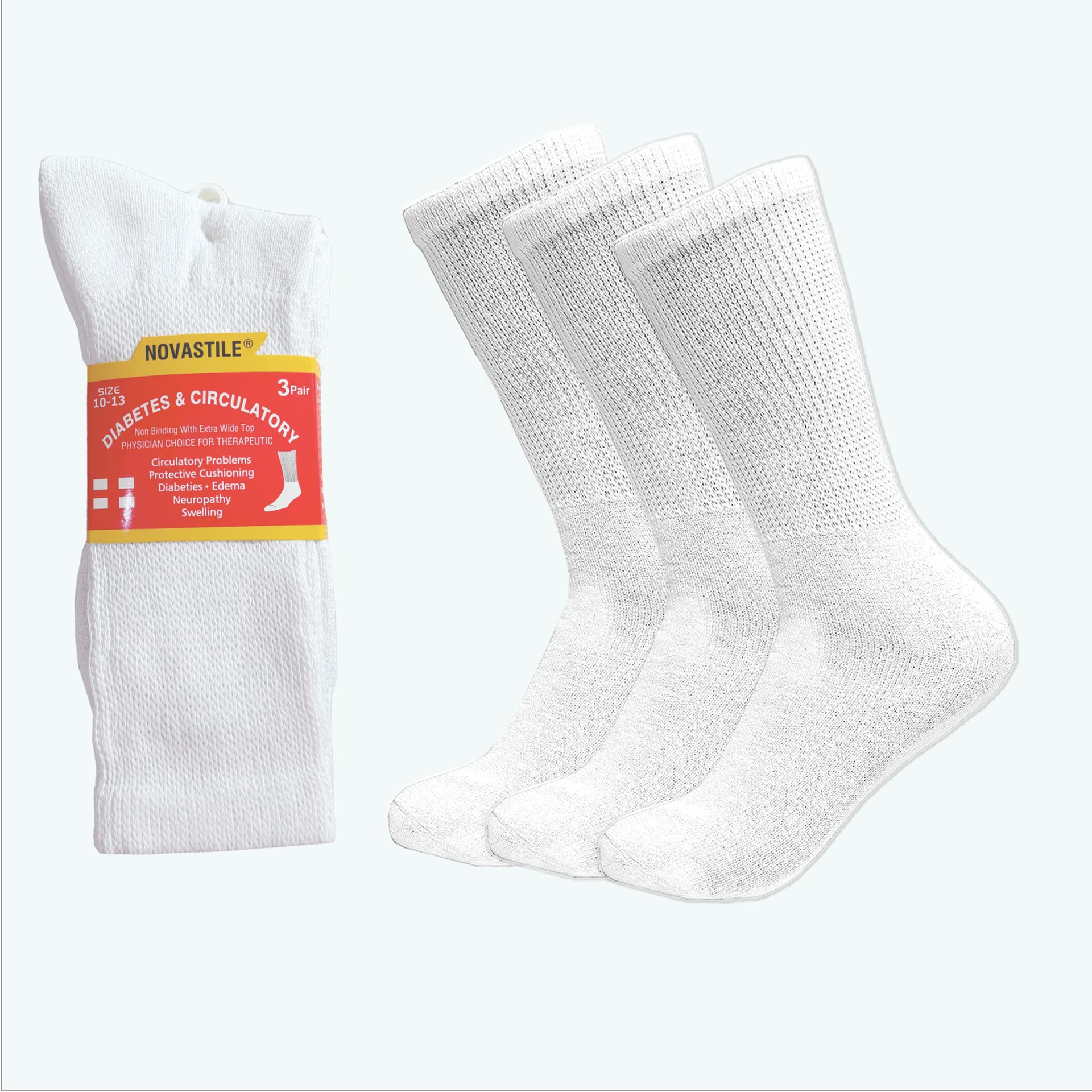
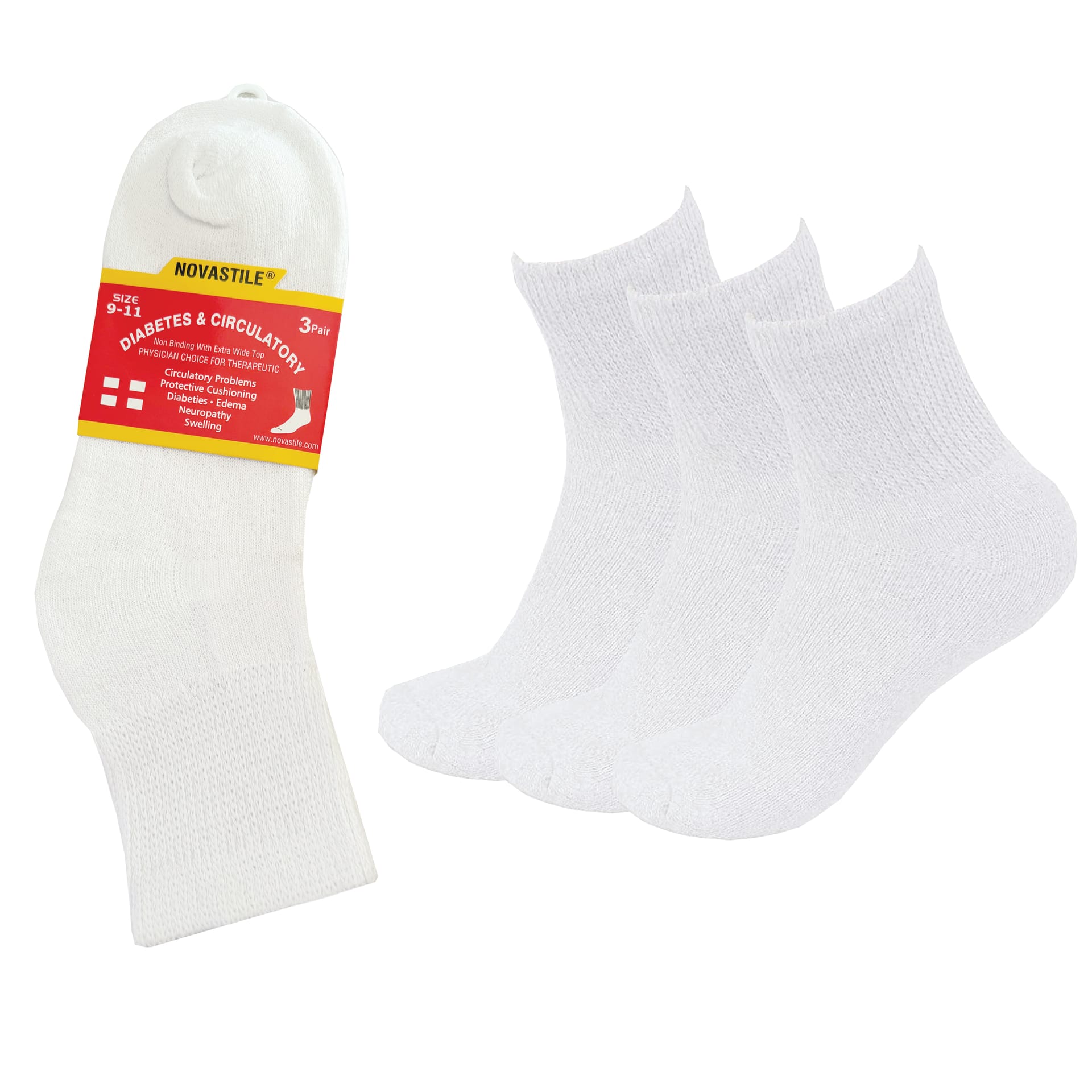
At a glance, non-binding socks and regular socks look nearly identical. The structural differences are in the construction — and those differences are specifically engineered to address comfort problems that regular socks either ignore or make worse.
The Elastic Top: Where the Biggest Difference Lives
Regular socks need elastic to stay up. The stronger the elastic, the more the sock grips — which is fine for most feet. For wide, sensitive, or swollen feet, that grip presses in and can leave marks that take hours to disappear. Non-binding socks use a relaxed elastic blend that applies enough tension to stay up without pressing into skin. It's a deliberate engineering tradeoff.
Seam Construction: Seamless Toe vs. Linked Toe
Most regular socks use a standard toe seam — a visible ridge of stitching where the sock is closed at the toe. For many feet, it goes unnoticed. For sensitive feet, that seam rubs against skin all day, creating friction points that can develop into hot spots or blisters. Non-binding socks use seamless toes — no ridge, no friction point.
Cushioning Placement
Regular athletic socks often have full-foot cushioning. Non-binding socks focus extra padding in the heel and ball of the foot — the two pressure points that take the most impact during walking. This targeted cushioning protects the spots that take the most wear without adding unnecessary bulk.
When Regular Socks Are Fine
If regular socks don't leave marks, don't rub, and feel comfortable all day, they serve you well. The non-binding sock features exist to solve specific comfort problems — you don't need the solution if you don't have the problem.
Sources & References
MedlinePlus: Foot Injuries and Disorders · American Academy of Dermatology: Skin care basics