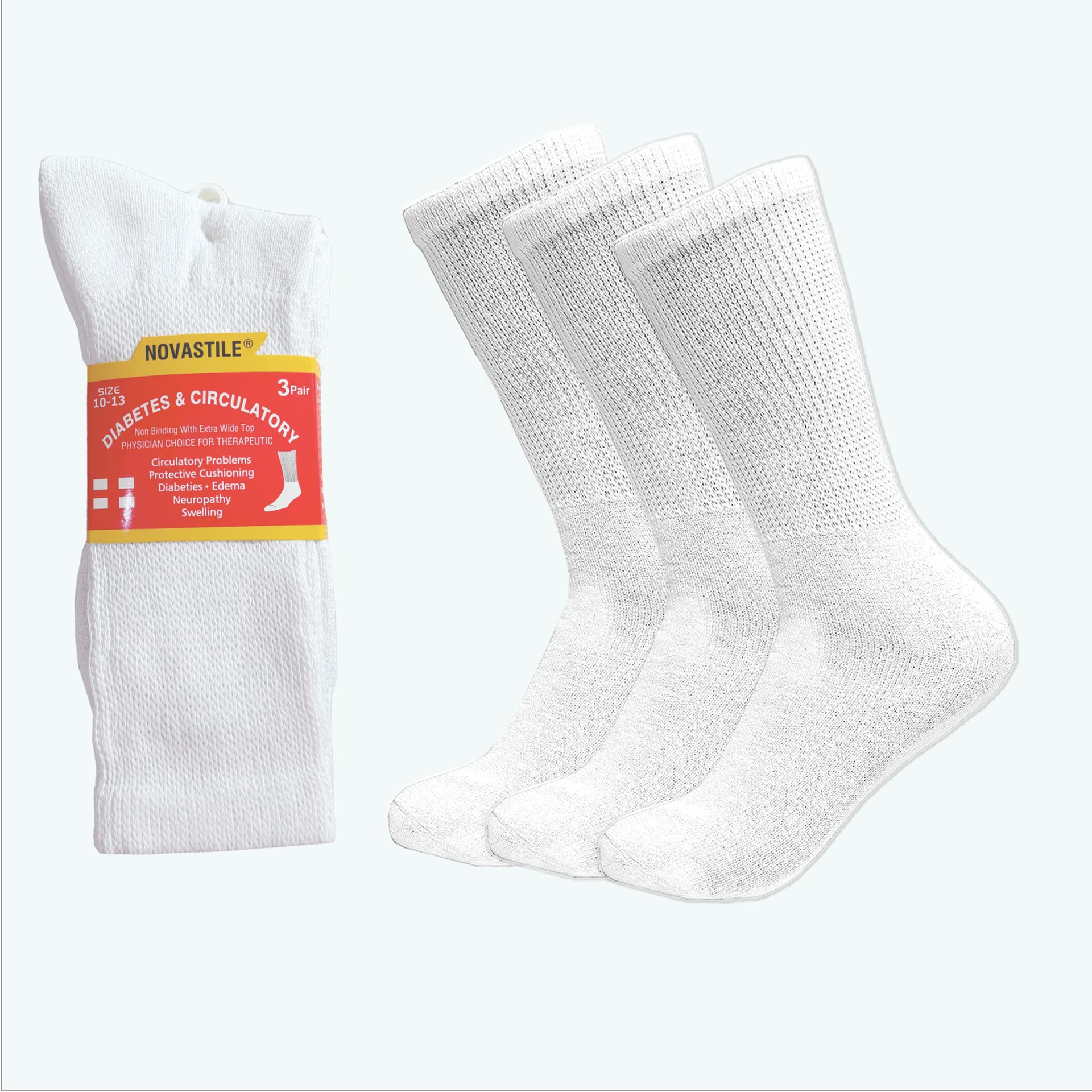
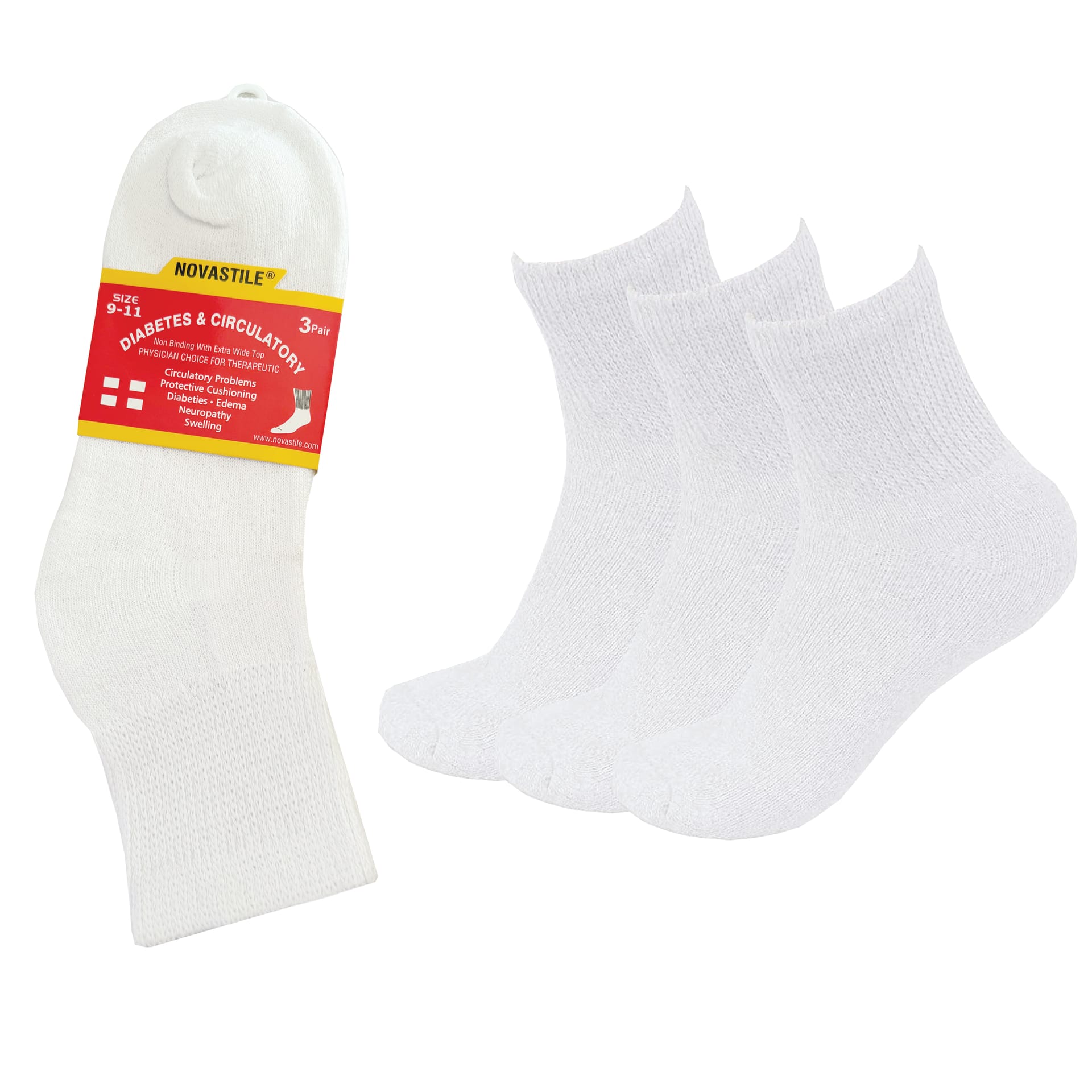
If you have wide, swollen, or sensitive feet, you've probably noticed that regular socks can dig in and leave marks by the end of the day. Non-binding socks are one of the most practical ways to stay comfortable — but many people aren't sure exactly what makes them different from regular socks, or whether they're actually worth it.
What Makes a Sock 'Non-Binding'?
The term 'non-binding sock' refers to socks specifically engineered to stay comfortable all day. They're not a medical device — they're designed around the most common comfort complaints people have with regular socks: a top band that squeezes, toe seams that rub, and thin fabric that offers no cushioning.
Three features define a genuine non-binding sock. First, a non-binding elastic top — unlike standard socks, non-binding socks use a relaxed, loose-fitting band that doesn't dig into the ankle or calf. For people with wide or swollen feet, tight sock bands press in and leave marks that take hours to fade. Second, a seamless toe construction — seams in regular socks create friction points that, over time, can cause rubbing or blisters. For people with sensitive skin, these can be uncomfortable all day. Seamless toes reduce this rubbing. Third, extra cushioning — additional padding in the heel and ball of the foot absorbs impact and reduces pressure on the areas that take the most wear.
Who Benefits from Non-Binding Socks?
People who find regular socks tight or mark-leaving are the primary audience, but non-binding socks are genuinely useful for a broader range of people. Anyone with chronically swollen feet benefits from the gentle, relaxed top. People who stand for long hours appreciate the extra cushioning. Those with sensitive skin benefit from the seamless construction.
- People with wide or hard-to-fit feet
- Anyone with sensitive skin that reacts to seams and tight bands
- People with swollen feet or ankles
- Those who get sock marks and indentations from regular socks
- Anyone who wants a more comfortable, non-restrictive everyday sock
Non-Binding Socks vs. Regular Socks: What's the Practical Difference?
Regular socks are designed for the average foot in average conditions. They prioritize fit, appearance, and basic durability. Non-binding socks prioritize all-day comfort, a gentle fit, and skin-friendly construction above all else. If you put both on at the end of a long day, the difference is immediately noticeable — non-binding socks leave no marks, apply no pressure, and tend to stay in place without clenching the ankle.
If you're ready to make the switch, browse our full collection of non-binding socks — available in crew and ankle lengths, sizes 9–15, and packs of 3, 6, or 12 pairs for full-week rotation.
What Are the Key Benefits of Non-Binding Socks?
Non-binding socks offer four core benefits over standard socks. First, they leave no marks — the gentle top eliminates the squeezing that regular sock bands create, so there are no indentations around the ankle at the end of the day. Second, they keep feet drier — moisture-wicking materials pull sweat away, cutting down the warm, damp conditions that lead to odor and discomfort. Third, they reduce rubbing — seamless toe construction removes the friction points that cause blisters and hot spots. Fourth, they absorb impact — extra cushioning in the heel and ball of the foot distributes pressure more evenly, reducing fatigue during long periods of standing or walking.
Can Anyone Wear Non-Binding Socks?
Yes — non-binding socks are comfortable and useful for just about anyone. The design features that make them so easy to wear — gentle top, seamless construction, moisture management, extra cushioning — are simply a better version of what any sock should do. People who stand for long shifts, anyone with swollen ankles, older adults with sensitive skin, and people who want a more comfortable everyday sock all benefit from making the switch.
- People with wide or hard-to-fit feet who want daily comfort
- Anyone with sensitive skin prone to irritation from seams
- People managing swollen feet or ankles
- Older adults with thin or fragile skin prone to rubbing
- Nurses, teachers, retail workers, or anyone on their feet for long shifts
- Anyone who finds regular socks uncomfortable, restrictive, or mark-leaving
What Do Non-Binding Socks Actually Do?
Non-binding socks do two things really well: they stay gentle on the leg and they manage moisture. On the comfort side, the relaxed elastic top rests against the ankle and calf without squeezing, so it doesn't leave indentations or dig in over the course of a day — even on wide or swollen feet. On the moisture side, the breathable, wicking fabric pulls sweat away from the skin surface, keeping the foot environment dry. A consistently dry foot means less odor, less friction, and more all-day comfort. Together, these two features — a gentle fit and moisture control — are what make non-binding socks such an easy everyday upgrade.
How to Choose the Right Non-Binding Socks
Look for: a non-binding or 'non-constricting' top band, seamless or hand-linked toe seams, moisture-wicking fabric (to keep feet dry and comfortable), and breathable construction. NOVASTILE non-binding socks check all of these boxes — available in crew and ankle lengths, in multi-packs of 3, 6, or 12 pairs for daily rotation. If you're also upgrading your everyday carry, our heavy-duty canvas tote bags and stretch denim jeans are built with the same philosophy: function and comfort, no compromise.
Caring for Non-Binding Socks
Machine wash on gentle cycle with cold or warm water. Avoid bleach and high heat, which break down the elastic top and fabric structure over time. Air dry or tumble dry on low. Quality non-binding socks should hold their shape and gentle-fit properties for 50+ washes. For others focused on daily comfort at home, explore our cooling mattress toppers and bedding essentials — because good foot care and good sleep go hand in hand.
Sources & References
MedlinePlus: Foot Injuries and Disorders · American Academy of Dermatology: Skin care basics